Halloween Candy Corn Embroidery Design Review
As an embroidery designer and product reviewer with years of experience in the craft, I often come across digital designs that promise a lot but fall short when it comes to real-world application. Halloween Candy Corn is a design I recently tested for a custom sweatshirt embroidery project, and while it has charm and clear seasonal appeal, there are important considerations to keep in mind before using it on your next handmade or commercial product.
A Festive First Impression
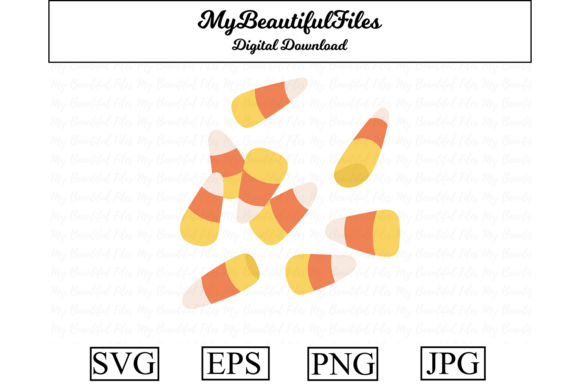
The first thing that struck me about Halloween Candy Corn was its bold, cheerful layout. The candy corn illustration is stylized yet familiar, capturing the essence of autumn and All Hallows' Eve without being too spooky. Its triangular shape is classic and instantly recognizable, making it ideal for projects where visual clarity and brand recognition are key—like holiday-themed custom apparel or handmade product packaging.
What sets this design apart from many freebie-style graphics is its balanced detail level. It doesn’t get lost in unnecessary complexity, nor does it feel overly simplified. This makes it adaptable for both embroidered patch applications and larger tote bag design formats. The color palette is bright and engaging, which could be great for adding a pop of fun to your holiday embroidery, especially if you're working with light-colored fabrics.
Visual Personality and Project Fit
Halloween Candy Corn naturally fits into casual, family-friendly projects. It’s not something you’d want for a high-end boutique collection, but it works well for playful craft business items, Etsy listings, or nursery decor where whimsy and warmth are valued over minimalism. If you’re planning a personalized gift or a festive small shop product, this design adds just the right amount of seasonal cheer.
Real-World Performance: Stitching Scenarios
I tested Halloween Candy Corn on a cotton/poly sweatshirt for a client order, and here’s what I observed:
- Custom Apparel: On a medium-weight sweatshirt, the design stitched cleanly with good definition. However, the edges of the candy corn needed some attention to ensure they didn’t fray after washing.
- Tote Bag Design: When applied to a tote, the bold lines held up well, but the fill areas were a bit dense. I had to reduce stitch density slightly to avoid puckering.
- Baby Clothes: The design’s simplicity made it suitable for a baby Halloween onesie. But due to the small scale, I recommend avoiding very young infants unless you plan to scale it down further and simplify the stitching.
- Embroidered Patch: As an applique design, it worked beautifully. The clean lines allowed for easy outlining with a satin stitch, and the overall look felt cohesive and professional.
- Commercial Embroidery: For small-batch production, the design is consistent enough to maintain quality. However, always test it thoroughly on different fabric types before committing to a full run.
Design Format and Flexibility
This digital embroidery file includes PNG, SVG, JPG, and EPS formats, which gives you flexibility for print-based use and digital mockups. While it lacks specific stitch count details, the vector nature of SVG allows for scaling without losing quality. That said, as with all machine embroidery designs, scaling can affect how stitches lay and behave, so proceed with caution and always test.
Where Caution Is Advised
Despite its charm, Halloween Candy Corn isn’t a one-size-fits-all solution. Here are some scenarios where extra care is needed:
- Small Hoop Sizes: The design might appear cramped if used in a hoop under 4 inches. Consider resizing or simplifying elements before attempting smaller placements.
- Textured Fabrics: On flannel or corduroy, the fill stitches may not lay flat and could create a bumpy texture. Use a stabilizer and adjust tension accordingly.
- Stretchy or Thin Fabric: These materials can cause distortion or even breakage in detailed corners. Stick to more stable bases like quilting cotton or canvas blends.
- Dark Backgrounds: The default colors may not stand out on black or dark navy garments. I recommend converting to white or testing with contrasting thread colors.
- Curved Surfaces: Placing it on a cap or curved surface will require seam adjustments and careful alignment. Always preview placement digitally before stitching.
Stitch Clarity and Detail Handling
One area where this design shines is in its stitch density management. The fill areas aren’t too thick, which helps prevent puckering. Still, the outer edges and inner lines benefit from a satin stitch to give them definition. I noticed that the smallest details—like the tips of the candy corn—can become fuzzy if the machine speed is too fast or the tension is off. A slow pass and fine-tuned settings make all the difference.
Impact on Visual Appeal and Branding
When used correctly, Halloween Candy Corn can significantly enhance the visual appeal of your project. Its nostalgic shape brings a sense of fun and familiarity, which is perfect for holiday gifts or craft fair products. From a branding perspective, it supports brand consistency by offering a recognizable motif that can be repeated across multiple items—think pillow covers, kitchen towels, or apparel decorators looking to add seasonal flair to their inventory.
However, for professional embroidery work, the lack of licensing information in the Freebies category means you’ll need to double-check whether it can be used in commercial Graphics assets or sold in finished products. Many free designs are strictly for personal use, so confirm the terms before listing it on Etsy or in any storefront.
Customer Trust and Engagement
From a customer perspective, this design creates a positive first impression. It’s simple enough not to overwhelm, yet detailed enough to show craftsmanship. People tend to gravitate toward handmade products that feel intentional and high-quality, and Halloween Candy Corn contributes to that vibe when executed properly.
Buyers appreciate when a personalized gift feels thoughtful and unique. This design can help elevate a basic item into something special, particularly for small business owners who want to offer seasonal options without investing in new artwork each time.
Designer Tips for Using Halloween Candy Corn
If you’re considering using this design in your own embroidery project, here are some practical notes based on my hands-on experience:
- Test on Scrap Fabric: Before applying it to a final product, try it on a sample piece to assess stitch behavior and fabric compatibility.
- Check Thread Color Contrast: Especially if you plan to use it on darker fabrics. A white or cream base thread can make the design pop better than traditional orange.
- Review Stitch Density: If the design seems too packed, adjust the stitch spacing to avoid distortion and improve wash durability.
- Confirm Hoop Size: Make sure the design fits comfortably within your chosen hoop. Too much stretching can compromise the look.
- Inspect Small Details: Look closely at the corners and inner shapes. Some machines struggle with tight curves, so consider reinforcing those areas manually.
- Use Proper Stabilizer: Especially on stretchy or thin materials. Tear-away or cut-away stabilizers can make a big difference in how the design holds up post-stitching.
- Test Black and White Mockups: To see how the design would translate in grayscale or on monochrome backgrounds.
- Compare Light and Dark Fabrics: Ensure visibility and contrast are maintained regardless of the background color.
- Confirm Licensing: Before selling finished items or including the design in printable mockups, verify that it can be used commercially.
Giftability and Recognition
For hobbyists and creative entrepreneurs, Halloween Candy Corn is a solid choice for personalized gifts or seasonal handmade shop items. Its bright colors and familiar shape make it easily recognizable and immediately relatable. Whether it’s a Halloween party favor or part of a themed apparel line, this design helps your products stand out during the season.
Final Thoughts for Craft Businesses
Halloween Candy Corn is a versatile and appealing machine embroidery design, but like any asset, it requires thoughtful preparation and execution. It’s best suited for mid-sized to large embroidery areas, non-stretch fabrics, and projects where a warm, playful aesthetic is desired.
As an experienced embroiderer, I’d say this is a keeper for seasonal collections, but don’t rush to apply it to every project. Take the time to test, adjust, and understand how it behaves with your specific equipment and materials. With a little finesse, it can turn an ordinary finished product into a standout holiday gift or boutique branding element.
Remember, even the best Graphics can fail if not matched with the right context. Your goal as a designer or seller is to ensure every embroidery file you use aligns with the expectations of your customers and the integrity of your design assets.