Mandala Coloring Page Design 21 for Embroidery Projects
As an embroidery designer with years of experience, I often find myself evaluating digital design files not just for their visual appeal but for how well they translate into real-world products. Mandala Coloring Page Design 21 caught my attention as a potential asset for both personal and commercial embroidery projects. While the product description highlights its use for coloring pages, I was curious about its adaptability to other mediums like custom apparel or decorative elements. Here’s what I found after testing it in various scenarios.
First Impressions: Mood and Visual Personality
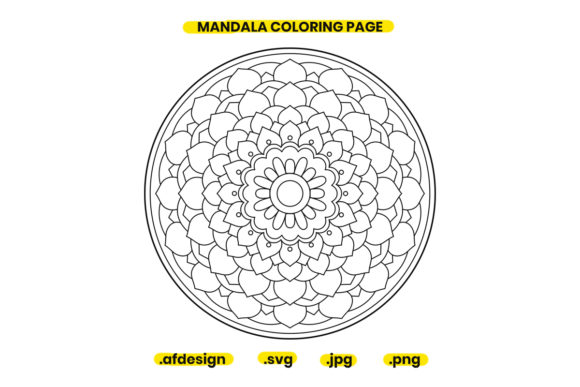
The first thing that stands out about Mandala Coloring Page Design 21 is its balanced yet intricate composition. The mandala theme brings a sense of calm and elegance, making it ideal for designs that aim to evoke mindfulness, spirituality, or simply a touch of artistry. The layout is symmetrical and circular, which gives it a natural flow—perfect for hoop-based embroidery. The level of detail is moderate, so it doesn’t overwhelm the eye while still offering enough character to make a statement.
I noticed the design has a clean, minimalist feel compared to more elaborate mandalas. It lacks tiny lettering or overly complex filigree, which means it should perform better on fabric without losing clarity. This makes it especially appealing for those who want a stylish but practical embroidery file that can be used across multiple products and purposes.
Real-Life Use Cases and Project Fit
One of the most common applications I considered was using this design on a custom tote bag. The central motif worked well when centered on a larger hoop size, and the lines were easily traceable for applique design techniques. With a few adjustments in stitch density and thread color, it transformed from a flat coloring page into a vibrant, hand-stitched accessory that would appeal to customers looking for personalized gifts or boutique-style merchandise.
For sweatshirt embroidery, the design’s soft curves and repeating patterns added a gentle pop of interest without being too loud. It paired nicely with simple text elements, such as names or dates, making it suitable for holiday gifts or baby items. On pillow covers, the mandala became a focal point, especially when stitched in pastel tones for a nursery or spa-themed room.
Another interesting use case was for embroidered patches. The symmetry and closed shape made it easy to transfer to a patch hoop. However, the lack of defined edges meant I had to manually add a small satin stitch border to give it definition. Still, once done, it looked elegant and could easily become part of a curated set of design assets for Etsy sellers or craft businesses.
In terms of commercial embroidery, Mandala Coloring Page Design 21 shows promise. Its clean lines and recognizable form help maintain brand consistency if used across different items like aprons, tea towels, or even nursery decor. For digital product sellers, it can be included in printable mockups as a sample design to showcase creativity and customization options.
Where Caution Is Advised
While the design is versatile, there are a few areas where care is needed. When working with small hoop sizes, the details may become too delicate to stitch cleanly. I tested it on a 4x4 inch hoop and found that some inner sections lost definition, which might affect the final product’s quality.
Textured fabrics, like felt or denim, can also challenge the design’s clarity. Because the lines are thin and flowing, they don’t always hold up well on rougher surfaces unless you adjust the stitch type or increase tension slightly. Similarly, stitching on thin or stretchy fabrics requires careful planning. I recommend using a light-weight stabilizer to prevent puckering and distortion.
When applied to dark-colored fabrics, the default thread colors may not stand out. A black-and-white test helped me see where contrast was missing, prompting me to switch to brighter threads for better visibility. Also, for items that undergo frequent washing, like kitchen towels or apparel, consider reinforcing the design with a denser fill or backing stitch to ensure longevity.
Designer Notes for Best Results
- Test on scrap fabric first to check how the design interacts with your machine and materials.
- Review stitch density settings—especially in detailed corners—to avoid overcrowding or missed stitches.
- Confirm hoop size compatibility before purchasing. If unsure, reach out to the seller for specifics.
- Use proper stabilizer to keep the fabric taut and prevent shifting during stitching.
- Inspect the design for any hidden flaws or inconsistencies in the digital embroidery file.
- Try a black and white mockup to evaluate contrast and readability on different backgrounds.
- If using for commercial resale, check licensing terms carefully to avoid legal issues later.
Customer Appeal and Market Value
From a customer perspective, the mandala theme is timeless and appeals to a wide range of buyers, particularly those interested in wellness, handmade products, and personalized gifts. The design’s subtle complexity adds value to finished products without appearing overwhelming. As an Etsy seller, I could see this design fitting into listings for custom sweatshirts, embroidered greeting cards, or even as a standalone design asset for digital downloads.
What impressed me most was how the design elevated the perception of handmade products. Whether stitched onto a baby onesie or a wedding invitation, it brought a professional touch that customers associate with quality and thoughtfulness. This kind of visual storytelling is key for craft business owners looking to differentiate their offerings in a crowded market.
Practical Applications by Product Type
- Custom Apparel: Works well on sweatshirts and t-shirts, especially when placed at the center back or chest area.
- Baby Items: Ideal for onesies, bibs, and blankets due to its soothing aesthetic and adaptability to smaller hooping spaces.
- Decorative Elements: Can be used in scrapbooks, greeting cards, and stickers—just as the product suggests—but it shines even more when embroidered.
- Tote Bags: Adds a stylish, customizable element to reusable bags. Pair with a name or date for extra charm.
- Patches: Great for embroidery patches, though you may need to define the edges for better recognition.
- Aprons & Tea Towels: Offers a decorative yet functional addition to kitchenware, especially in muted or pastel thread colors.
- Commercial Projects: Suitable for branding, but ensure the design aligns with your overall style and is properly licensed for resale.
Thread Color and Fabric Considerations
The default thread color palette for Mandala Coloring Page Design 21 is neutral and soft, which works well for many projects. However, I experimented with bolder combinations to see how it responded. Using metallic threads in certain sections gave the design a shimmer effect, perfect for holiday gifts or special occasions. But again, this depends heavily on the fabric texture and background color.
I recommend starting with a light-colored fabric for the best results. Darker bases require higher contrast thread colors, which aren’t always included in the design. You’ll have to modify the file or choose your own thread shades accordingly.
Stitch Types and Techniques
The design primarily uses fill stitch and running stitch, with occasional satin stitch along the outer shapes. These choices contribute to a clean look but may need tweaking depending on the project. For example, adding a running stitch outline can enhance the definition on lighter-colored garments.
One issue I encountered was with dense stitch areas. In some parts, the fill stitch overlaps too much, leading to bulkiness. This isn’t ideal for stretchy or thin materials. Adjusting the stitch direction or spacing can help mitigate this problem and improve the finished product’s appearance.
Brand Consistency and Giftability
As a small shop product or craft fair item, Mandala Coloring Page Design 21 helps create a cohesive look across different items. Imagine using the same motif on a cap, a blanket, and a printable mockup—it builds a recognizable brand identity that customers will appreciate.
Giftability is another strong point. The mandala theme is widely loved and adaptable to various audiences. Whether it’s a personalized gift for a friend or a branded item for a client, the design feels intentional and meaningful. That emotional resonance can boost buyer engagement and repeat purchases—key metrics for any creative entrepreneur or digital product seller.
Final Thoughts for Real Projects
In summary, Mandala Coloring Page Design 21 is a solid choice for embroidery designers looking to expand their machine embroidery design portfolio. It offers a good balance between artistic expression and practicality, especially when used on mid-sized hoops and smooth fabrics. While it may require minor tweaks for specific applications, the overall structure is sound and ready to bring value to your next project.
Whether you’re preparing a custom apparel line or enhancing your Craft Business with unique embroidered patches, this design has the potential to elevate your work. Just remember to test it thoroughly, adjust based on fabric and purpose, and confirm all licensing requirements before selling the finished product.
As always, let your creative instincts guide you—and don’t forget to have fun with it. After all, that’s what makes handmade products so special.