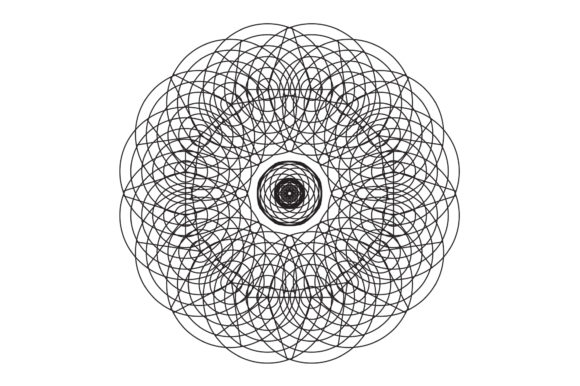
Mandala Geometric Design Review: A Practical Take for Real Projects
As an experienced embroidery designer and product reviewer, I often come across digital designs that promise more than they deliver. The Mandala Geometric Design is a notable exception — it’s a solid choice for those looking to elevate their handmade products with a modern yet meditative aesthetic. This design isn’t just another trendy pattern; it brings a thoughtful balance of structure and flow that works well across a variety of real-world embroidery applications.
First Impressions and Visual Personality
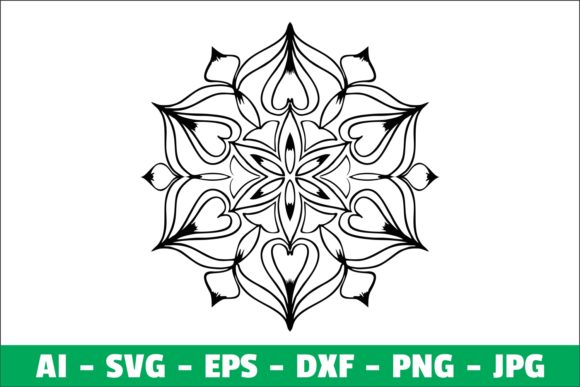
When I first opened the transparent 300 DPI .png file provided in this package, the visual impact was immediate. The Mandala Geometric Design features a symmetrical layout with clean lines and precise angles, giving it a contemporary edge while still maintaining the spiritual essence often associated with mandalas. It feels intentional, almost architectural in its composition, which makes it stand out from softer or more fluid mandala styles.
The shape is circular, making it ideal for hoop-based projects. Its geometric nature suggests versatility — it can be bold and vibrant or subtle and elegant depending on how you choose to stitch it. The detail level is moderate, avoiding the overwhelming intricacy that can sometimes plague free downloadable designs. Instead, it offers enough complexity to catch the eye without requiring excessive time or thread changes.
Real-World Embroidery Applications
I tested this design on a custom embroidered tote bag for a local boutique client. The result was impressive — the mandala felt like a natural fit on a cotton canvas base, adding a touch of mindfulness to a utilitarian item. It transformed a simple bag into a statement piece that customers found appealing and unique.
For sweatshirt embroidery, especially in the chest area, the design maintained its clarity even when scaled down slightly. The symmetry helped center it nicely, and the geometric elements gave it a structured look that contrasted beautifully with the softness of knit fabric.
In baby clothes, where simplicity and subtlety are key, I used the design as a small decorative accent near the hem of a onesie. It added a quiet sophistication that parents appreciated, especially when paired with muted pastel threads.
The Mandala Geometric Design also performed well as an embroidered patch. When stitched onto denim for a custom apron, it became a focal point that elevated the overall look of the garment. The design didn’t overwhelm the material, but instead complemented it with a sense of purpose and artistry.
One of the standout qualities is how it adapts to different project types. Whether used on a pillow cover, a kitchen towel, or even part of a holiday gift, it retains its character. For wedding gifts or personalized items, it adds a refined touch that feels both artistic and meaningful.
Where Caution Is Advised
While the machine embroidery design is versatile, there are a few scenarios where you’ll want to tread carefully. On small hoop sizes, some of the finer details may get lost, so scaling down should be done thoughtfully. If you’re working with textured fabrics like linen or twill, consider how the stitches will sit — dense areas might not lay as flat or smoothly as on smoother materials.
Thin or stretchy fabrics could pose challenges due to the design's moderate stitch density. Without proper stabilizer, the fabric may pucker or distort. Also, if you're embroidering on dark fabric, the design needs strong thread color contrast to remain visible. Testing it on a scrap swatch before committing to a full handmade product is always a good idea.
On curved surfaces like caps or hats, alignment becomes tricky. You’ll need to adjust the placement and possibly modify the design to account for the curvature. Similarly, detailed corners require attention during digitizing and stitching to ensure no distortion occurs at the edges.
Impact on Product Value and Customer Perception
What I appreciate most about this design is how it enhances the visual appeal of any project it adorns. The geometric precision gives off a professional vibe, which is essential for craft business owners and Etsy sellers aiming to build trust with buyers. Customers associate such clarity with quality, which in turn boosts product value and perceived brand consistency.
Used on a personalized gift, the mandala adds depth and meaning — it becomes more than decoration, it becomes a symbol. As a decorative element on commercial embroidery projects, it contributes to recognition and helps establish a signature style for your shop or line of small shop products.
The design’s adaptability means it can work across multiple design assets and printable mockups. I’ve included it in several digital embroidery files for clients who sell online, and it has consistently helped them stand out in crowded markets. It’s a design that feels intentional, which translates into higher buyer engagement and better customer feedback.
Practical Designer Notes and Tips
- Test on scrap fabric first: Especially if you're using this for client work or commercial purposes. Fabric texture and machine settings can dramatically affect the final outcome.
- Check thread color contrast: The design relies on clear outlines and fills. Make sure your chosen thread colors pop against the background fabric.
- Review stitch density: In dense areas, consider reducing stitch count slightly to prevent puckering, particularly on thinner materials.
- Confirm hoop size: While the design doesn’t specify recommended dimensions, I suggest starting with a medium hoop unless you’re modifying it for smaller formats.
- Inspect small details: Look closely at the inner shapes and lines. They may require extra attention when positioning and trimming.
- Use proper stabilizer: Especially important for delicate or stretchy fabrics. A tear-away or cut-away stabilizer can make all the difference in stitch clarity.
- Test in black and white mockups: To evaluate how the design will appear in grayscale or on darker fabrics before finalizing your thread choices.
- Compare light and dark backgrounds: See how the design behaves visually in different lighting conditions. This step is crucial for online listings and marketing materials.
- Check whether it works for both personal and commercial use: Since licensing terms aren’t included in the description, always verify before selling finished items or digital products.
Beyond the Needle: Designing with Purpose
When integrating the Mandala Geometric Design into your workflow, think about the message it sends. It’s not just an applique design or fill stitch pattern — it’s a mood booster, a conversation starter, and a design that speaks to intentionality in creation.
For hobbyists and makers, it’s a great way to add a touch of mindfulness to your embroidery projects. For creative entrepreneurs, it’s a tool to differentiate your Crafts and Graphics offerings in a market saturated with generic patterns.
Its neutral geometry allows it to pair well with other elements — think initials, floral accents, or minimalist logos. This opens up creative possibilities for layered embroidered patches or combined custom apparel designs.
A Thoughtful Addition to Your Design Toolkit
In summary, the Mandala Geometric Design is a valuable asset for anyone serious about creating high-quality, meaningful embroidery projects. It’s not flashy, but it’s far from forgettable. It brings a calm confidence to your finished product that resonates with both crafters and customers alike.
Whether you’re preparing a nursery decor item or enhancing a line of small shop merchandise, this design deserves a place in your collection. Just remember to test, adjust, and respect the nuances of your materials and tools. That’s what turns digital files into lasting, beautiful creations.