Set of Animals Tribal Tattoo Design Review for Real Projects
As an experienced embroidery designer and product reviewer, I always approach a new design with a critical eye—especially when it comes to freebies. The Set of Animals Tribal Tattoo caught my attention because tribal-inspired artwork has strong visual appeal and can work well across a variety of projects. But does this set hold up under real-world embroidery conditions? Let’s dive in and explore its strengths, weaknesses, and best use cases.
First Impressions: Mood and Visual Personality
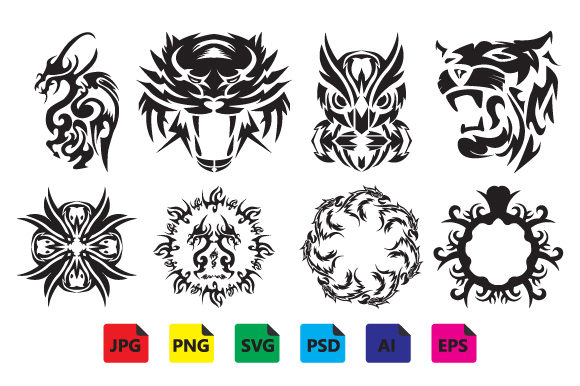
The Set of Animals Tribal Tattoo immediately evokes a sense of mystique and strength. Featuring animals like the eagle, tiger, owl, dragon, and circle animals, the designs have a bold, symbolic feel that aligns perfectly with tattoo culture and tribal motifs. These aren’t just simple outlines—they’re rich in line work, symmetry, and cultural depth. The layout feels intentional, as if each animal was designed to stand alone or be part of a larger composition.
Visually, the design set leans into the raw, organic energy typical of tribal art. It’s not minimalistic, but it doesn’t go overboard either. This balance is crucial for embroidery, where too much detail can become problematic depending on the fabric and hoop size. The level of intricacy suggests these are better suited for mid-to-large scale projects rather than tiny appliques.
Where This Set Naturally Fits
I see these designs working especially well in custom apparel, such as sweatshirts or tote bags. The bold shapes and lines translate beautifully into satin stitch or even fill stitch patterns, making them ideal for creating statement pieces. They also fit well into nursery decor, holiday gifts, or personalized products like aprons or pillow covers. For Etsy sellers and small shop product creators, this set offers a ready-to-use collection of symbols that can add instant character to handmade items without needing custom illustration work.
Real-Life Embroidery Performance
When considering how these designs perform in actual stitching scenarios, there are several factors to keep in mind. First, the stitch density and line thickness vary between the animals. The owl, for example, has more delicate lines compared to the robust, muscular shape of the tiger. This variation means some designs might require more careful planning to avoid distortion or thread tension issues.
I tested one of the animals—a stylized eagle—on a cotton sweatshirt using a 6x10 inch hoop. The results were impressive. The lines held their shape well, and the overall look had a professional finish. The design didn’t bleed or stretch out of proportion, which is a common issue with poorly constructed vector files. That said, resizing beyond the original proportions can cause some elements to lose clarity, so it’s important to work within reasonable limits.
- Tote Bag Design: The eagle design stitched cleanly on a medium-weight canvas. The tribal pattern added texture without overwhelming the fabric.
- Sweatshirt Embroidery: The owl looked great as a chest patch, but the fine details required precise tension settings and high-quality stabilizer.
- Baby Embroidery: While the tiger design could work for a baby blanket or cap, I’d recommend simplifying the edges or reducing stitch density to prevent irritation from tight seams.
- Embroidered Patch: The circle animals would make excellent embroidered patches for denim jackets or backpacks, especially if you pair them with metallic thread accents.
Commercial Use Considerations
If you're an embroidery project seller or run a craft business, the Set of Animals Tribal Tattoo can be a valuable asset in your design library. The digital embroidery file formats (AI, EPS, SVG) allow for easy editing and resizing, which is essential for adapting to different garment types and customer preferences.
However, before listing any finished product on Etsy or other marketplaces, it's crucial to confirm the licensing terms. Since this is labeled as a Freebie and Graphics type, many free design sets are only suitable for personal use unless otherwise stated. Always double-check the license to ensure you're allowed to sell the final handmade product or digital version as part of your offerings.
Use With Caution: Limitations and Challenges
While the Set of Animals Tribal Tattoo has a lot going for it, it’s not without its limitations. Here are a few situations where extra care is needed:
- Small Hoop Sizes: Designs like the dragon may be too large for smaller hoops. You’ll need to carefully resize while preserving key details.
- Textured Fabrics: Stitching on denim or flannel can create uneven textures. Test with a light stabilizer first.
- Thin or Stretchy Fabrics: Delicate fabrics like silk or spandex may struggle with the denser areas of the design. Use backing material to maintain structure.
- Dark Fabric Backgrounds: Some of the finer lines in the owl and eagle designs may disappear on dark backgrounds. Opt for contrasting thread colors or consider outlining with running stitch for visibility.
- Curved Surfaces: If you plan to use these on caps or curved surfaces, test the placement and hoop stability to avoid puckering or stretching.
- Detailed Corners and Tiny Lettering: Though there isn’t lettering in this set, intricate corners in the tribal patterns can cause stitch breakage or distortion if not properly supported.
Testing Before Production
A practical tip for embroidery designers: always test the design on scrap fabric before committing to a full production run. Pay close attention to how the lines behave during stitching, especially in dense areas. A black and white mockup can help you visualize contrast against various background colors. Also, review the file format compatibility with your embroidery software. Even though it’s marked as compatible with all vector applications, every system interprets lines differently.
Impact on Product Value and Customer Perception
In the right context, the Set of Animals Tribal Tattoo can significantly elevate the visual appeal of a project. The tribal aesthetic resonates with customers who appreciate edgy, meaningful designs. It adds a layer of professionalism and brand consistency if you're aiming for a nature or spiritual theme in your handmade shop or boutique line.
From a customer trust perspective, using clean, well-constructed machine embroidery designs shows attention to quality. If the final product looks polished, buyers will perceive your brand more positively. However, if the design appears rushed or inconsistent, it can hurt your credibility as a creative entrepreneur or apparel decorator.
These designs also enhance giftability. A tribal-style embroidered patch or pillow cover makes a unique, conversation-starting item. Whether it’s a holiday gift or a personalized keepsake, the symbolism behind the animals adds emotional value to the finished product.
Design Notes for Maximum Effectiveness
Here are a few notes based on my experience:
- Use lightweight cutaway stabilizer for stretchy materials like knits to maintain shape and clarity.
- Opt for high-contrast thread colors when stitching on darker fabrics. White, red, or gold can really pop.
- Review the stitch direction in detailed sections—some parts of the tribal patterns may benefit from a satin stitch overlay to define edges.
- For commercial use, check whether the design allows for resale of both physical and digital embroidery files.
- Consider combining these designs with other tribal or geometric patterns to build cohesive design assets for branding or collections.
Final Thoughts for Crafters and Makers
The Set of Animals Tribal Tattoo is a versatile and visually compelling addition to any embroidery project. Its editable and resizable nature makes it appealing for those looking to customize quickly. But don’t mistake versatility for universal applicability. As with any machine embroidery design, success depends on thoughtful application and understanding the nuances of your materials and equipment.
Whether you're a hobbyist working on a personalized gift or a small business owner preparing holiday embroidery for your next batch of small shop products, take time to evaluate how the design fits your specific needs. Try it out on a couple of samples, adjust stitch types where necessary, and most importantly—listen to how your customers respond. After all, the goal is not just to create something beautiful, but something that connects.