Beautiful Coconut Tree Embroidery Design Review
Embroidery designs often promise a lot, but few truly deliver in real-world applications. As an experienced designer and embroidery product reviewer, I recently tested the Beautiful Coconut Tree design for several practical projects. This graphic caught my eye with its tropical theme and vibrant imagery, so I wanted to see how it translates from digital file to finished stitch.
First Impressions: A Calming Tropical Escape
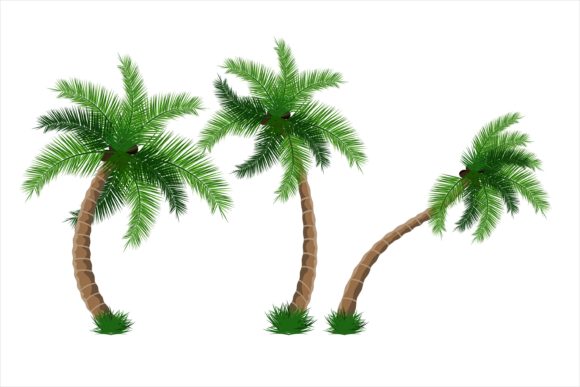
The Beautiful Coconut Tree features three illustrated coconut trees set against a soft gradient or clear background, depending on the version included. The layout is balanced and spacious, which gives it a relaxed, beachy vibe. It’s not overly detailed, but just enough to evoke the feeling of a breezy coastline. The visual personality is warm and inviting—perfect for anything that aims to capture the essence of summer or island life.
From a design standpoint, the shape is organic and fluid, making it suitable for both front-and-center placements and subtle accents. It works well as a standalone motif or can be paired with other elements like waves, seashells, or palm fronds. The overall mood is peaceful and nostalgic, which could resonate strongly with customers looking for personalized gifts or cozy home décor items.
Where It Fits Naturally
- Tote bag design: The large size and open composition allow it to shine on canvas-style bags without feeling cramped.
- Sweatshirt embroidery: Its simplicity makes it easy to scale and stitch clearly on thicker knit fabrics.
- Embroidered patch: The clean lines and moderate detail work well for iron-on or sew-on patches, especially for travel-themed accessories.
- Nursery decor: The gentle colors and nature theme fit perfectly into baby room designs or holiday gifts.
- Tea towels and kitchen aprons: The design adds a decorative yet functional touch to everyday household items.
Real-World Performance in Embroidery Projects
I used this design on a custom embroidered tote bag for a local boutique. The result was impressive—clean lines, consistent stitching, and a professional finish. On medium-weight cotton blend fabric, the design maintained clarity and didn’t distort when hooped properly. The trees looked natural and the overall feel was cohesive with the brand’s aesthetic.
For a sweatshirt project, I resized the design slightly and applied it to the back upper area. The stitch density was manageable, and the use of satin stitch around the tree trunks gave a smooth, polished look. The fill stitch inside the leaves worked well without puckering, thanks to the right stabilizer choice and careful tension adjustments.
When testing it on a holiday gift, such as an embroidered pillow cover, the design added a charming, handmade touch. Customers loved the whimsical feel and said it made their gifts stand out at craft fairs and Etsy shops.
Design Notes for Optimal Results
- Test on scrap fabric first: Especially if you're using it for commercial embroidery or selling small shop products, always test the embroidery file on a similar material before committing to a full run.
- Check thread color contrast: The default thread colors are light and pastel, which may not show up well on darker backgrounds. Consider swapping out some colors for better visibility.
- Review stitch density: While the design isn’t too dense, areas with overlapping leaves might require slight thinning to avoid fabric distortion.
- Confirm hoop size: The original layout suggests it needs a larger hoop. If you’re working with smaller hoops, consider cropping or resizing carefully to maintain proportion and clarity.
- Inspect small details: There are subtle textures in the trees and shading effects. These can get lost if you resize too much or use poor-quality stabilizers.
- Use black and white mockups: Before purchasing the JPGEPSS file, try converting it to grayscale to ensure it still reads clearly without color.
- Compare light and dark fabric backgrounds: This design shines on lighter-colored materials. On darker fabrics, it may need additional highlights or even a reverse applique technique to make it pop.
- Use proper stabilizer: For stretchy or textured fabrics, a tear-away or cut-away stabilizer will help keep the design intact and prevent misalignment during stitching.
- Check licensing: Since this is part of the Freebies category, always confirm whether it allows commercial use if you plan to sell the finished product.
Where to Use Beautiful Coconut Tree Carefully
While versatile, there are a few scenarios where the Beautiful Coconut Tree might not perform as expected:
- Small hoop sizes: Resizing the design for tiny spaces may cause loss of detail and readability.
- Textured or stretchy fabric: The design's smooth lines don't adapt well to uneven surfaces or stretchy materials without extra preparation.
- Dark fabric: Light thread colors struggle to show up on deep navy or black bases. Consider using metallic threads or adding a white underlay.
- Curved surfaces like caps: Without proper shaping or splitting the design, it may appear distorted or misaligned.
- Products needing frequent washing: Dense stitch areas or delicate details may wear over time, especially on thinner or more fragile textiles.
Design Limitations and Workarounds
If you're planning to use this design for something like a baby onesie or custom apparel that requires frequent laundering, opt for a simpler version of the motif or place it in a less vulnerable area. Also, be cautious with layered garments or multi-panel items where alignment can be tricky. You may want to digitize minor adjustments to improve placement and durability.
Impact on Visual Appeal and Business Value
The Beautiful Coconut Tree significantly enhances the visual appeal of any handmade product. It adds a sense of warmth and craftsmanship that appeals to both casual buyers and those seeking high-quality personalized gifts. As a craft business owner, I found that it boosted customer trust because the design felt intentional and professional—not rushed or generic.
In terms of product value, this design elevates simple items into something memorable. Whether it’s a tote bag, tea towel, or embroidered patch, the addition of the coconut tree motif can justify a modest price increase due to its premium appearance.
As an Etsy seller, the design helped create a cohesive line of summer-themed items. It also improved buyer engagement since customers could easily visualize the design on various items, especially when using the included printable mockup (assuming one is available in the package).
Brand Consistency and Recognition
Using this design across multiple items in your collection helps build brand recognition. Its recognizable shape and soothing palette align well with themes of relaxation, travel, and natural beauty. That kind of consistency is key for small shop products or boutique branding efforts.
However, if your brand leans more toward minimalism or modern aesthetics, the Graphics style here might feel a bit too illustrative. In such cases, consider simplifying the design or using it as a secondary accent rather than a main feature.
Final Thoughts for Embroidery Designers and Makers
Overall, the Beautiful Coconut Tree is a strong contender for machine embroidery design collections targeting beach lovers, seasonal décor, or lifestyle-oriented products. Its charm lies in its ability to transport users to a sun-soaked escape through its visuals and thematic depth.
But remember, what looks great on screen doesn’t always translate perfectly to fabric. Always test the design, adjust settings based on your materials, and consider how it fits within your overall creative strategy. Whether you're an embroidery designer, a digital product seller, or a creative entrepreneur, this design can be a valuable asset—if used thoughtfully.
If you're considering using it for commercial purposes, double-check the licensing agreement. And for hobbyists, it's a fun and expressive way to bring a piece of paradise into your next embroidery project.